Advancing State and National Strategies to Strengthen HBCUs Through Workforce Alignment and Innovation
April 9, 2026
Historically Black Colleges and Universities (HBCUs) have long served as catalysts for opportunity, developing talent, strengthening communities, and contributing to economic mobility across generations. As states continue to align education, workforce, and economic priorities, HBCUs remain essential partners in that work and are uniquely positioned to drive inclusive growth at both the local and regional levels. Meeting this moment requires more than institutional resilience. It calls for stronger coordination, deeper partnerships, and sustained advocacy.
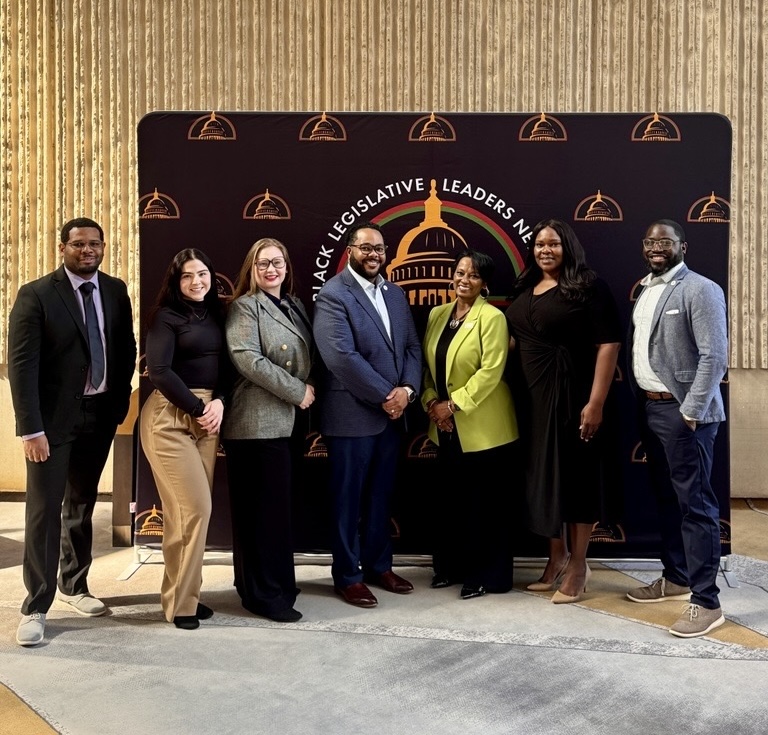
On March 26–28, 2026, The Hunt Institute partnered with the Black Legislative Leaders Network in Atlanta, GA to convene leaders for the 2026 HBCU Caucus Legislative Summit, focused on building a national legislative strategy to strengthen HBCUs. The convening, supported by the Bezos Family Foundation, John M. Belk Endowment, The Kresge Foundation, The Lumina Foundation, and other valued partners brought together leaders from across the country, including state legislators, HBCU presidents, industry partners, and community leaders, creating space for cross-sector collaboration and shared problem-solving. Together, participants explored how states can strengthen support for HBCUs in ways that are both actionable and sustainable, with an emphasis on long-term alignment rather than short-term solutions.
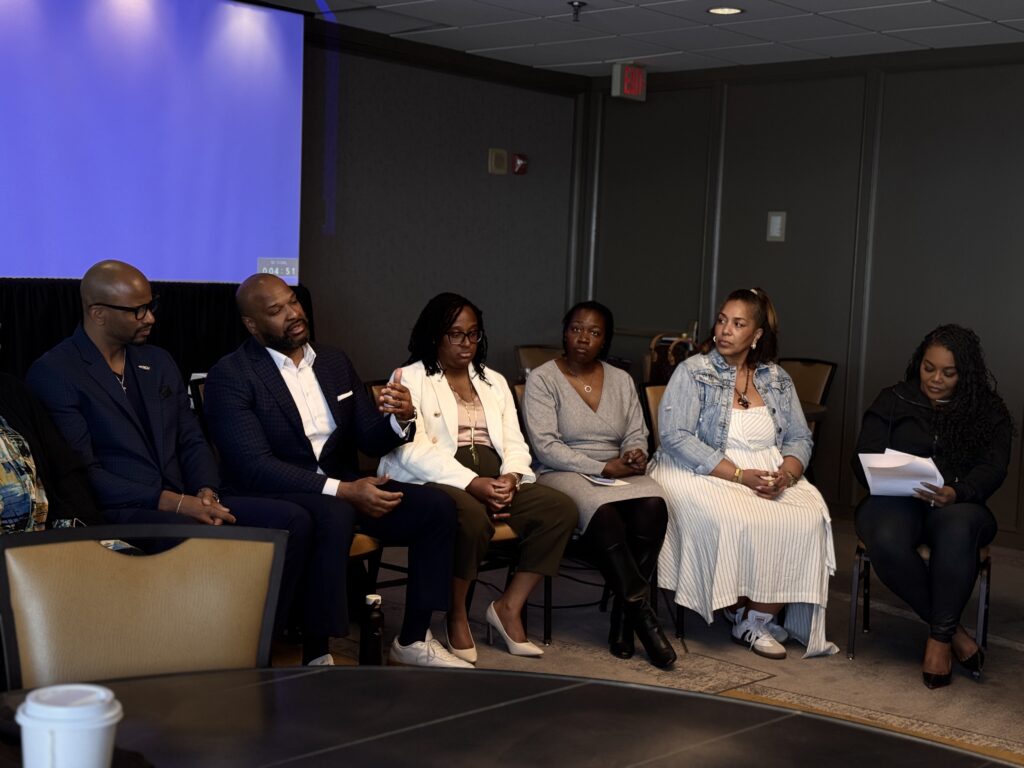
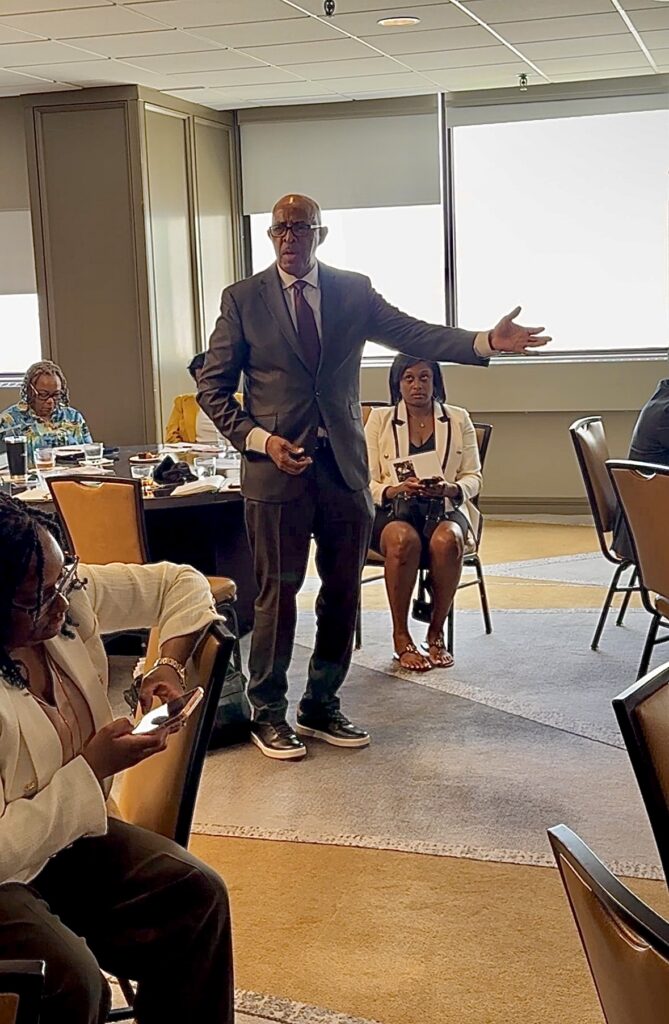
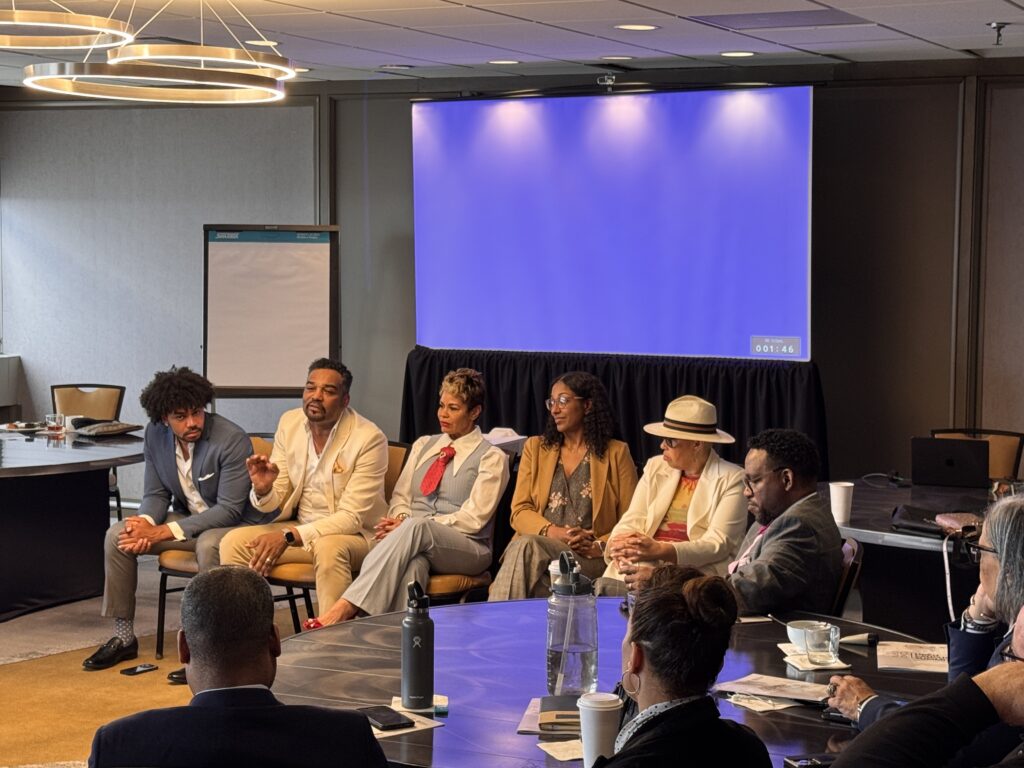
Throughout the convening, participants engaged in conversations focused on translating shared priorities into actionable, state-level strategies. These exchanges explored how to structure and sustain HBCU caucuses, strengthen ongoing engagement between policymakers and institutional leaders, and advance policy approaches that support long-term institutional success. The Hunt Institute supported this work by engaging alongside participants to identify approaches that can be carried forward across legislative sessions, helping connect ideas discussed in the room with pathways for implementation and follow-through.
Why HBCUs Are Economic Anchors
A central theme of the convening focused on the role HBCUs play in preparing talent and strengthening state economies. Leaders highlighted opportunities to better align education and workforce systems by strengthening pathways from HBCUs into high-demand careers, including STEM and skilled trades, expanding partnerships between institutions, industry, and policymakers, and positioning HBCUs as key contributors within broader workforce and economic development strategies. This focus reflects broad national alignment. According to The Hunt Institute’s Across the Aisle survey, 92 percent of Americans agree that education systems should prioritize teaching real-world skills for the future workforce. Together, these insights reinforced the role HBCUs play not only as talent developers, but as hubs of innovation within their states and regions, helping to meet evolving workforce demands. Investments in HBCUs create positive momentum through supporting local businesses, creating jobs and strengthening communities.
Looking Forward
At the same time, participants underscored that alignment alone is not enough without structures to sustain the work. These conversations emphasized the importance of creating mechanisms that support ongoing engagement beyond a single convening. Bipartisan HBCU caucuses were identified as a key approach for maintaining momentum, providing a consistent forum for legislators to elevate priorities, engage with institutional leaders, and advance coordinated policy efforts. Participants explored how to establish and strengthen caucuses that are both effective and enduring, ensuring that progress continues beyond individual convenings.
The themes that emerged at the 2026 HBCU Caucus Legislative Summit reflect broader efforts already underway across multiple states. Over the past two years, The Hunt Institute has hosted two HBCU Caucus convenings, bringing together bipartisan legislators from across the country alongside HBCU leaders to strengthen coordination, elevate shared priorities, and support state-level action. These efforts have contributed to the launch of state-specific HBCU caucuses in North Carolina, Georgia, Virginia, and South Carolina, demonstrating how national dialogue can translate into state-level progress and sustained collaboration.
In South Carolina, early outcomes from this work include $1.75 million in new and restored funding commitments for HBCUs, along with expanded opportunities for institutional leaders to engage directly with legislative committees on campus priorities. These early results point to the potential of sustained, bipartisan engagement to drive meaningful outcomes for institutions and the communities they serve, while also strengthening long-term partnerships between policymakers and HBCU leaders.
As momentum from the 2026 HBCU Caucus Legislative Summit continues, these state-based efforts provide a model for how coordinated, cross-sector collaboration can translate into ongoing partnership and actionable outcomes. The Hunt Institute remains committed to supporting state leaders with the tools, research, and strategies needed to strengthen education systems and expand opportunity, ensuring HBCUs are not just included in the conversation about the future but are helping to lead them.
 .
.